iPhone Ultra: The Crease Is Gone, and That's a Hinge Story
Apple's first foldable finally shipped without the visible crease that's dogged every other book-style phone. The software isn't why. The hinge is.

In this article 5 sections
Quick answer: The iPhone Ultra's disappearing crease isn't a software trick or a marketing exaggeration — it's a real materials-engineering change, built around a liquid-metal hinge and a two-layer glass stack that spreads bending stress instead of concentrating it in one line. It works, based on what's shipped and what early hands-on testers are reporting. It's also a $2,000 phone with a hinge component that's already made news for squeaking, so "it works" and "it's worth it" are two separate questions.
Every foldable in the category has had the same tell: fold it closed, open it back up, and there's a visible line running down the middle of the screen where the display's been bent a thousand times. Samsung's had it. Every Chinese book-style foldable has had it. It's the single most consistent complaint in the category, and Apple, for once, actually waited until it had an answer before shipping. Protocol Wire covers gadgets like this by asking what the engineering actually changes.
What's Actually Different About This Hinge
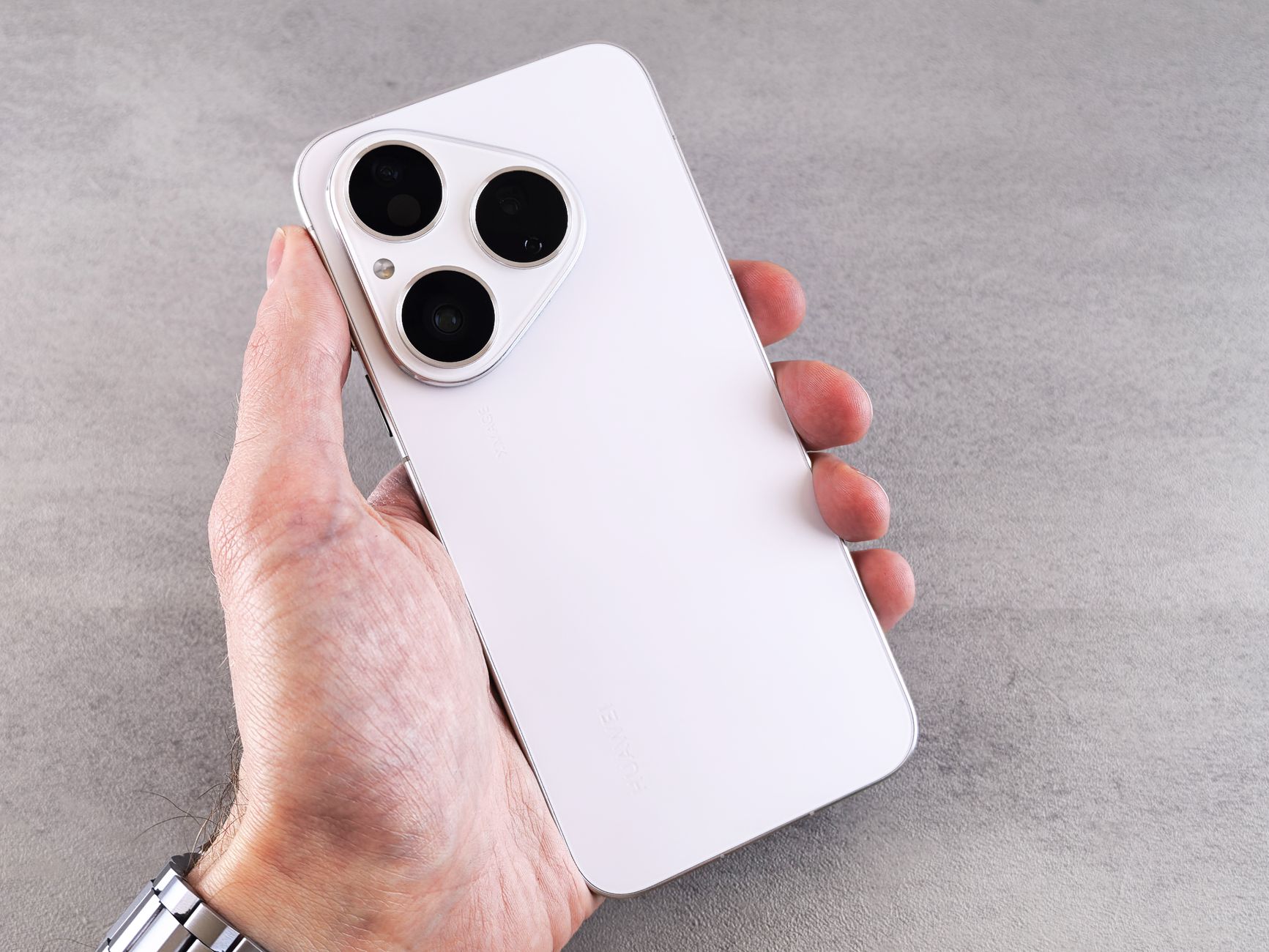
Most foldable hinges use a mechanical hinge assembly — gears, a teardrop-shaped fold mechanism, a bunch of tiny moving parts doing their best to let the display fold without kinking. Apple went a different direction. Reporting on the device points to a hinge built with liquid metal, reportedly through a contract with Liquidmetal Technologies, a material that stays amorphous at the molecular level instead of forming the crystalline grain structure regular metal alloys do. That matters for a hinge specifically because grain boundaries are where metal fatigues and eventually cracks under repeated stress — bend a normal alloy hinge a few hundred thousand times and it starts to show it. A liquid-metal structure handles repeated flexing more evenly, spreading tension through the assembly instead of concentrating it at weak points, according to reporting on Apple's official September event announcement. I'll believe the hundred-thousand-fold marketing number when independent testers get a unit and a fold-cycle machine, not before. But the material science behind the claim is real, not vaporware. The rest of the internals are a straightforward flagship spec bump around that hinge — pre-launch reporting on the lineup pointed to Apple's A20 Pro chip on a 2nm process across the new phones, which matters here specifically because a foldable's processor has to push two displays and a bigger battery draw without cooking itself inside a chassis that's already fighting for internal volume. For a primer on the AI-focused block inside modern chips, see what an NPU actually does.
The Glass Stack Doing the Real Work

The hinge is half the story. The other half is the glass itself. Instead of one ultra-thin flexible layer, the Ultra reportedly uses two layers with varying thickness across the panel — thinner right at the fold, where the bend radius is tightest, and thicker toward the edges, where it doesn't need to flex at all. Detailed reporting on the design also describes an optically clear adhesive engineered to stay liquid-like rather than fully rigid, filling the microscopic gaps between glass and hinge that are usually where a visible crease actually forms over time — it's less about the fold itself and more about what happens in the seams around it. This is the unglamorous part nobody puts in a keynote slide, and it's also the part that determines whether the phone still looks good in year two instead of year one. Variable-thickness glass isn't a new idea in optics generally, but running it at phone-panel scale, reliably, at volume, is the kind of manufacturing problem that's killed foldable ambitions at other companies before.
Where the Skepticism Is Still Fair
Here's where I stop nodding along. Reports close to launch flagged a squeak coming from the hinge on some units — the kind of noise that doesn't show up in a five-minute demo booth but absolutely shows up after a few weeks of real pocket use, temperature swings, and dust. Notebookcheck's reporting on the lingering hinge noise is a useful reality check against the wave of "the hinge feels incredible" first impressions that came out of controlled hands-on sessions. Both things can be true: the engineering approach is genuinely sound, and a first-generation manufacturing run can still ship a batch with an audible defect. It's not "revolutionary," it's a hinge that's better than the competition's, running through a supply chain that's building this specific part for the first time at scale. Give it two firmware updates and a hardware revision before deciding whether the squeak was a launch hiccup or a real design flaw. The same gap between a working demo and a production line is the subject of XPeng's humanoid robot production line.
Does the $2,000 Price Actually Make Sense
Apple's own pricing makes this its most expensive iPhone by a wide margin, positioning the Ultra well above the standard Pro lineup rather than as a slight premium option, per coverage of the September event lineup. For that money, you're not just buying a folding screen — you're buying a materials-engineering problem Apple spent years solving that a lot of the competition still hasn't. Whether that's worth it depends entirely on what you actually want the fold for. If it's the novelty, wait a generation and let the price come down, the way it always does. If you're someone who'd actually use the larger inner display daily — reading, spreadsheets, video calls where more screen matters — the hinge engineering here is the first foldable in years I'd tell someone to actually consider buying instead of admiring from a display case. If a bigger screen at a desk is the real goal, docking stations for a multi-monitor home office are the other route worth weighing.
Worth saying plainly: this is not a phone for someone who drops their current phone twice a week and shrugs it off. A folding screen, however well engineered, is still a more complex, more repair-hostile piece of glass than a slab phone's single sheet. If your case collection is a graveyard of cracked corners, a $2,000 foldable is a bad bet regardless of how good the hinge is. This is a phone for someone who already babies their hardware and wants more screen for the trouble, not someone hoping better engineering will fix bad habits.
Conclusion
The crease is genuinely gone, and it's gone because of real hardware engineering, not a software blur trick or a marketing definition of "invisible." That's worth crediting. But a liquid-metal hinge and a variable-thickness glass stack are also new, unproven-at-scale manufacturing problems, and the squeak reports close to launch are exactly the kind of thing that shows up when a supply chain is still figuring out a first-generation part. Judge the engineering on its merits. Judge the actual unit you'd be buying by what reviewers are still saying a few months from now, after the fold-cycle counters get some real mileage on them. That's always been the honest way to evaluate any first-generation hardware, foldable or not, and it's still true here no matter how good the launch-day demo looked. At Protocol Wire, that is how we frame every first-generation gadget: credit the engineering, then wait for the mileage.