New Hybrid Work Study: WFH Days Still Beat the Office. So Why Doesn't It Feel That Way?
A fresh University of Iowa study says people get more done on work-from-home days than office days. Here's the part the headline leaves out.
In this article 6 sections
Quick answer: Researchers at the University of Iowa's Tippie College of Business tracked 219 hybrid workers for a full week and found people got more done, faster, on the days they worked from home. The twist isn't in the study — it's in what happens the moment you open Slack, Teams, and your project tracker all at once. Protocol Wire covers the software and startups behind how people work.
How Solid Is the Evidence?
It is useful but narrow. The paper, titled "Steady as She Goes," appears in Organization Science, and a summary of the research describes a sample of 219 hybrid employees at one organization, with 4,812 hourly observations across five consecutive workdays. Workers rated their energy each hour, and the researchers measured how much those ratings rose and fell.
The headline numbers are specific. Energy varied about 33% less on home days, and a one-point drop in variability was associated with 26% higher goal progress and 31% higher progress velocity. Average energy did not change, so home days were steadier rather than more energetic.
The caveats matter. Goal progress reflects what employees perceived, not an output count such as sales closed or cases resolved. The study is observational, covers a short window, and comes from a single employer, so it shows an association rather than proof that assigning more home days will produce the same result. The explanation about fewer interruptions is the authors' reading, not something the study measured directly.
What Did the Study Actually Find?
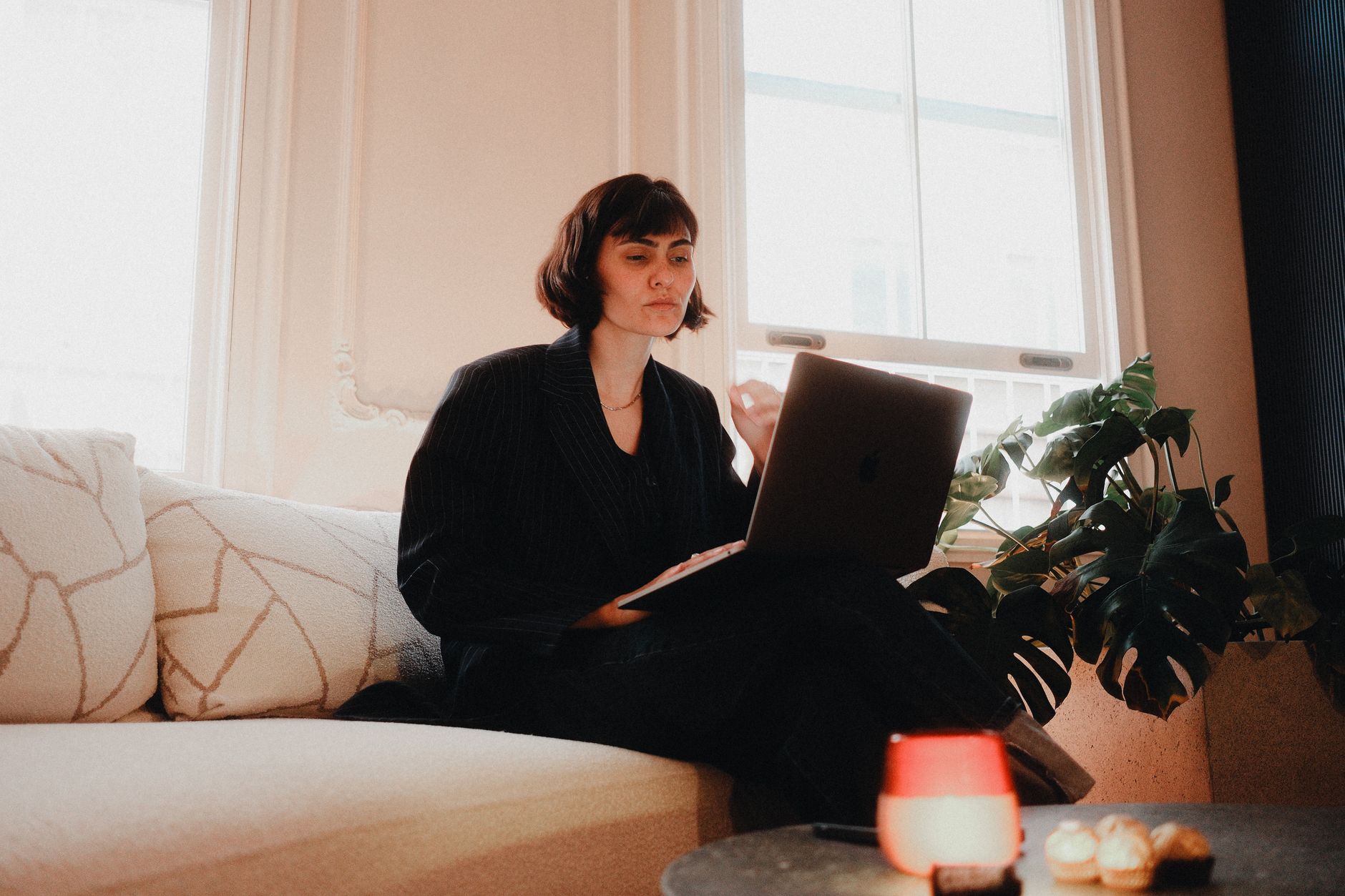
Here's the setup: 219 hybrid workers at a single employer, tracked across a full workweek, comparing home days against office days for the same people doing the same jobs. That's the part that makes it worth paying attention to — it's not comparing remote-only people to office-only people, who might just be different in ways that skew the numbers. It's the same person, different day. And on home days, according to the Tippie College of Business research published this month, people made more progress on their goals and worked through tasks faster. The more days someone worked from home, the bigger that gap got. So if you've ever gotten a vague corporate email hinting that in-office days are where "real work" happens, you now have a study to forward back. And if AI tools are next on your list, the September AI model releases that actually mattered are a better filter than launch-day claims.
Why Energy Variability Might Matter More Than Hours Logged

What's actually driving the gap? Not hours worked — energy variability. Researchers found close to a third less swing in people's energy levels on home days, and every point that variability dropped tracked with a meaningful jump in goal progress. Translation: it's not that home is quiet and the office is loud. It's that a home day has fewer random interruptions pulling your attention somewhere new every twenty minutes, so your energy stays level instead of spiking and crashing all day. That tracks with the broader telework numbers, too — the Bureau of Labor Statistics put the March 2026 telework rate at 22.6% of all workers, a share that's held steady for years now, which means this isn't a pandemic hangover question anymore. It's just how a meaningful chunk of the workforce works, and the data on how well it works keeps landing in roughly the same place, echoed by Stanford's ongoing WFH Research project, which has tracked hybrid arrangements settling in at around a quarter of paid days nationally rather than sliding back toward zero. Enterprise software is also betting heavily on agentic AI for that same workday, though most buyers aren't ready for it.
The Tool Sprawl Problem Cutting Into Those Gains
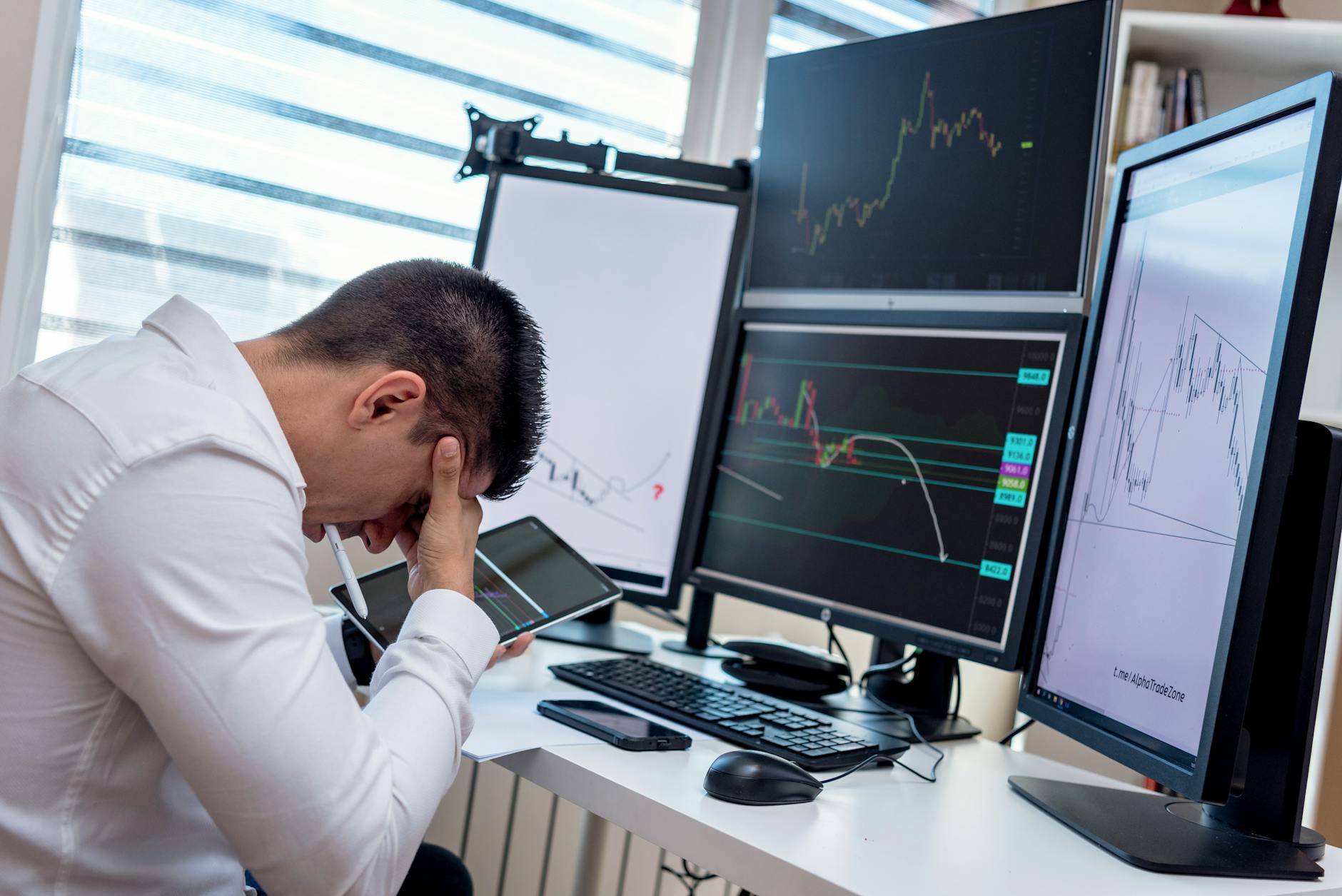
Now here's the catch, and it's not a small one. The average company runs somewhere between 20 and 40 different work apps, and McKinsey's research on knowledge-worker time use has found that employees spend close to two hours a day just hunting for information scattered across those systems — on top of the actual work. That's not a home-versus-office problem. It's an every-day-everywhere problem, and it's specifically the kind of thing that eats the exact gains this study is measuring, because "lower energy variability" doesn't survive a morning of bouncing between six tabs to find one file. And the cost isn't just time. Gallup's State of the Global Workplace data has consistently linked feeling poorly informed at work to a much higher chance of checking out entirely, disengaged in the way that shows up in turnover, not just a slow Tuesday. If your home-day productivity boost keeps getting quietly erased by app-switching, the fix isn't dragging everyone back to the office. It's looking hard at whether you actually need all 30 of those tools. Protocol Wire's view is that tool count is a cost, not a feature.
How Often Are People Interrupted?
Often enough that steady energy is hard to protect. Microsoft's 2025 Work Trend Index, as covered by Workplace Insight, found that employees are pinged about every two minutes during an eight-hour day, roughly 275 times. The average employee receives 117 emails a day, and by 8 a.m. Teams has overtaken email as the main channel, with about 153 messages per weekday.
Meetings add to the fragmentation. Half of them land in the 9 to 11 a.m. and 1 to 3 p.m. windows, and 57% have no prior calendar invite. Those figures come from Microsoft 365 telemetry rather than the Iowa study, so they are context, not confirmation. Still, they point the same direction: the more a day is chopped up by messages and meetings, the less room there is for the level, focused stretches the Iowa data associates with progress.
What This Means for How You Set WFH Policy

If you're the one setting the policy, the honest takeaway is this: the days-per-week argument is mostly settled by now, and this study just adds to the pile. What's still wide open is whether your stack is actually helping people use those home days well, or quietly canceling out the benefit with fifteen different notification sources. Before your next "return to office" memo gets drafted based on a vibe instead of data, it's worth asking a smaller, cheaper question first: how many apps does someone actually touch before lunch, and could half of them go away? Why new tools stall is worth understanding too: what happens between the click and the second click.