
OpenAI Models on Google Cloud: What the Model Garden Deal Changes for Buyers
OpenAI announced that its frontier models and Codex are coming to Google Cloud. The real change is in procurement, not in model quality.

In this article 8 sections
OpenAI models are coming to Google Cloud. On October 21, OpenAI said its frontier models and Codex workflows will appear in Google Cloud's Model Garden and be sold through Google Cloud Marketplace. For buyers, the story is procurement: you can spend existing Google commitments on OpenAI models without opening a new vendor contract.
This explainer is for engineering leaders, platform teams and anyone who signs off on AI spending. It covers what was announced, what remains unclear, and how to test the offer. Protocol Wire covers the agent-tooling stack with one rule: show the eval, then the invoice.
What Did OpenAI and Google Cloud Actually Announce?
OpenAI announced that its frontier GPT models and Codex agent workflows are coming to Google Cloud's Model Garden. Customers buy them through Google Cloud Marketplace. OpenAI models are also due in Google's Antigravity coding tool and the Gemini Agent over the coming weeks.

The announcement puts OpenAI on all three major US cloud platforms, as Slashdot's summary of the news points out. OpenAI described Google Cloud as a destination for AI workloads and for the developers and data scientists who build them. Google's pitch adds built-in access controls, centralized data governance and high-performance infrastructure.
Timing is the soft spot. Reports differ on whether access is a private preview for select enterprise customers or a broader rollout. The Slashdot summary does not say whether the offering is in preview or generally available. Treat any firm launch date as unconfirmed until your Google account team gives you one in writing.
There is also a model-naming problem. Several smaller sites listed specific GPT model names, and those names appear in no primary source I could confirm. Wait for the Model Garden listing itself before you design anything around a particular model.
Why Does Microsoft's Lost Exclusivity Matter Here?
Microsoft once held an exclusive license to OpenAI's intellectual property. That exclusivity ended less than six months before this announcement, and Amazon said in April that it would host OpenAI's models. Google Cloud is the third cloud to follow, so no single hyperscaler now controls access.

The shift changes bargaining power. A year ago, a buyer who wanted OpenAI models on a hyperscaler had one door. Now there are three, and each cloud wants your commitment spend.
It does not mean OpenAI left Microsoft. OpenAI was careful to say Microsoft remains its primary cloud partner, a point repeated in a DEV Community analysis of the deal. That piece also notes that Gemini remains the default across Google's own products. In other words, this is a trade relationship, not a merger or an exclusivity swap.
For a Google Cloud customer, the practical upside is that Gemini, Claude and GPT can sit in one catalog with one governance layer. That is useful. It is not a reason to rebuild your stack.
How Do Marketplace Commitments Change the Budget Math?
Marketplace purchases count against existing Google Cloud consumption commitments. A company that signed a multi-year Google deal can spend that committed dollar amount on OpenAI models instead of paying a separate bill. This helps most when a team has commitment left over and no easy way to use it.

Here is a simple example with round numbers. Suppose a team committed $2 million a year to Google Cloud and is on pace to use $1.6 million. The $400,000 gap normally turns into a shortfall charge or a scramble to find spending. If the team can buy model access through Marketplace, that gap can become useful capacity.
Note that this is an illustration, not a quote. Early coverage describes the change as billing convenience, not a price cut, and says it is not a price war, at least not yet. Per-token rates are the number to check. Compare the Marketplace price with the direct price before you assume a discount.
The table below shows the questions finance and engineering should ask each other.
| Question | Who owns it | Why it matters |
|---|---|---|
| Is the per-token price the same as direct? | Finance | Billing convenience is not a discount |
| Does Marketplace spend count toward our commitment? | Finance | Turns unused commitment into capacity |
| Where does our data run? | Security | Residency details were not published |
| Which models are in our region? | Engineering | Rollout reports conflict |
| What is the support path? | Platform | One bill can still mean two vendors on an incident |
The last row is the one teams forget. A single invoice does not merge two support organizations. When something breaks, you may still be talking to Google about the platform and OpenAI about the model.
What Does This Mean for Agent and Coding Tools?
The Antigravity and Gemini Agent integrations matter more than the Marketplace listing for many developers. OpenAI models are due to arrive in Google's coding tool over the coming weeks, and local Codex command-line workflows can reportedly connect to the Gemini platform for inference. That lets one team mix model families inside one workflow.
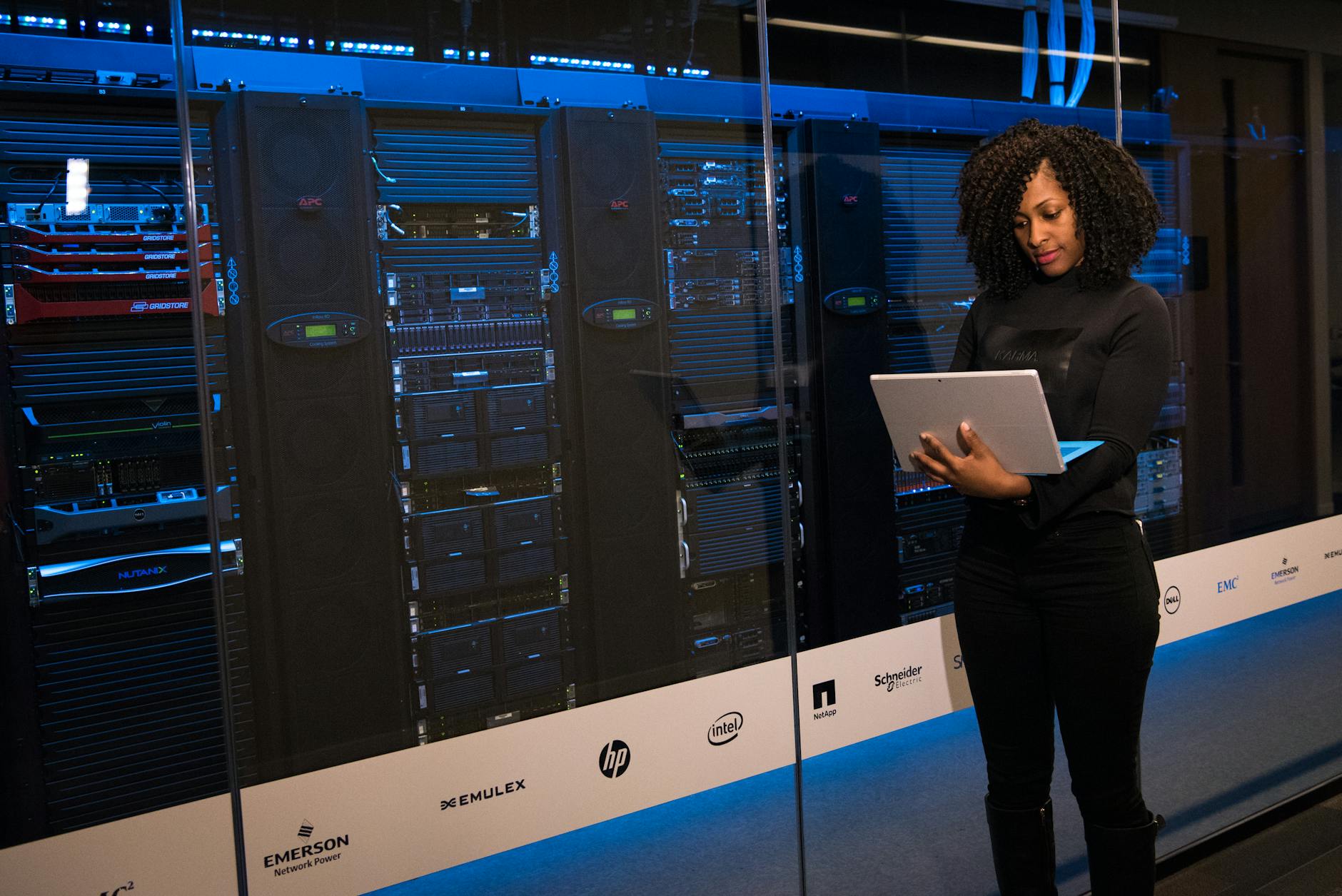
Mixing models is where the interesting engineering work sits. Teams already route cheap tasks to small models and hard tasks to large ones. A shared catalog makes routing easier because credentials, logging and policy live in one place.
It also raises the stakes on evaluation. If you can swap models in an afternoon, you need a test set that tells you whether the swap helped. Our look at why enterprise AI agent pilots never reach production found that missing evaluation is the usual gap, not model quality.
The last time OpenAI widened access to its agent tooling, the practical changes were smaller than the headlines suggested. We walked through that in what actually changed when OpenAI opened its Agents API. Expect the same pattern here: a real change for buyers, a modest one for builders.
Which Teams Gain the Most From the Google Cloud Option?
Teams that already run most of their data on Google Cloud gain the most. Their warehouse, identity system and logging are already there, so a model that lives in the same catalog needs less glue code. Moving data to a model is slower and riskier than moving a model call to the data.
Smaller teams on other clouds gain less. If your workloads sit elsewhere, adding Google just to buy OpenAI models creates a second set of networking, billing and access rules. That overhead can erase any commitment savings.
Regulated industries should read the fine print. Data governance is a headline claim, but the coverage published no details on residency or regional hosting. Banks, health systems and public agencies need those details before a pilot, not after.
Finally, vendors deserve a question. If a startup builds on OpenAI models, can it now run inside your Google environment? That could shorten security reviews for products you already want to buy.
What Is Still Unknown About the Deal?
Several details remain open, and they matter for planning. The coverage gives no per-token pricing, no firm general availability date and no regional list. It also does not say which specific models will appear first.
Use this short list of unknowns as a reminder before any approval meeting.
- Pricing: no published per-token rates for the Google-hosted models.
- Timing: reports conflict on private preview versus wider rollout.
- Residency: no stated data location guarantees.
- Support: no stated incident process between the two companies.
None of these are reasons to ignore the news. They are reasons to ask before you rely on it.
How Should You Test the Offer Before You Commit?
Run a small, time-boxed trial that measures latency, quality and cost on your own tasks. Pick one workload, run it against the Google-hosted option and your current provider, and compare results on the same inputs. Decide on data, not on the announcement.

A practical trial plan has four steps.
- Choose one workload with a clear success metric, such as code review comments accepted.
- Run the same prompts against both providers for two weeks.
- Record latency, error rates and per-task cost, not just per-token price.
- Ask security for the data-handling terms in writing before any production data moves.
Cost per completed task is the number that matters. A cheaper token price does not help if the model needs three tries. Our breakdown of what AI infrastructure really costs once the invoice arrives makes the same point about hidden spend.
One more caution applies to governance. Centralized controls are a selling point, but they only help if you configure them. Review who can call which model, where logs go, and how long prompts are retained. A catalog with ten models and no policy is a bigger risk than one model with a strict one.
What Should Buyers Do Next?
Ask your Google Cloud account team three questions this week: when your region gets access, whether Marketplace spend counts toward your commitment, and what the data terms say. Then run the trial above. At Protocol Wire, our view is that the deal is good news for procurement and neutral for engineering.
Do not move workloads because of a press release. Move them because your own numbers say so. If the numbers favor Google, you now have a cleaner way to act on that. If they do not, you lost nothing by checking.